
Join the Wealth Builders Alliance!
Get over $800 worth of tools for free.


Looking to grow your savings without riding the rollercoaster of crypto volatility? Then stablecoin yield farming might be your new favorite strategy. It offers an ideal balance of passive income potential and reduced risk, especially for those wanting exposure to DeFi without the drama.
In this article, we’ll break down how to yield farm crypto using stablecoins, review top platforms, and outline critical risks to watch for. We’ll also link you to other essential resources to help you build a sustainable passive income stream.
Stablecoin yield farming is the process of using stable, price-pegged cryptocurrencies like USDC, DAI, or USDT in decentralized finance (DeFi) protocols to earn yield, typically through lending, liquidity provision, or staking.
Unlike farming volatile tokens, stablecoin strategies aim to avoid large price swings while still generating meaningful returns, often significantly higher than traditional bank savings rates.
Want a deeper understanding of what yield farming is? Read What Is Yield Farming? before continuing.
Not all stablecoins are created equal. Understanding the different types can help you better assess risk and make more informed yield farming decisions. Broadly, stablecoins fall into four categories:
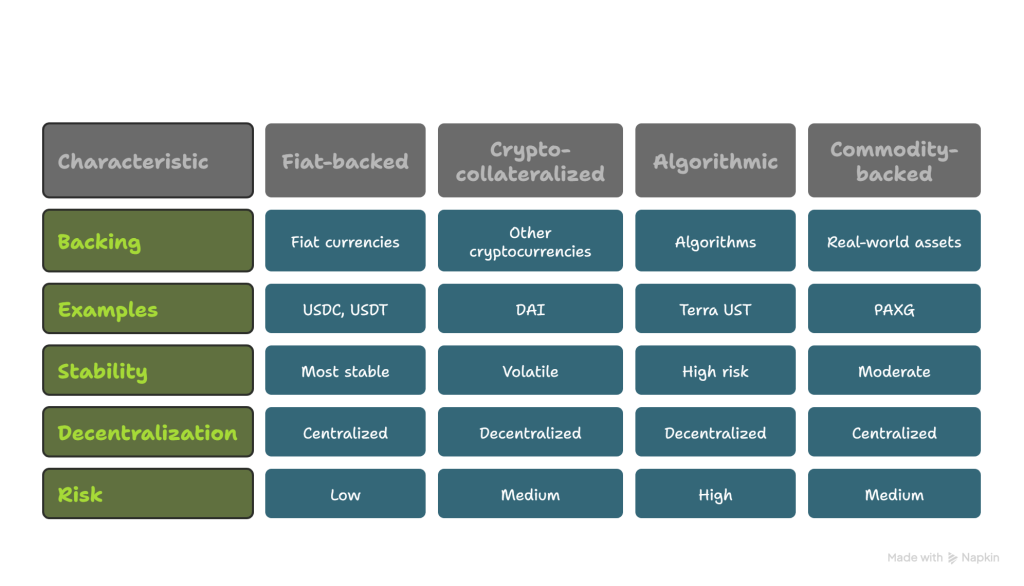
Each type serves different purposes and carries its own set of risks and trade-offs. For most users aiming for stable yield, fiat-backed or crypto-collateralized options provide the best balance of accessibility, safety, and earning potential.
Avoiding algorithmic stablecoins unless you’re experienced is a good risk management rule.
Learn about common yield farming mistakes to avoid before diving into any pool.

While staking offers rewards too, stablecoin yield farming presents several advantages that make it an attractive alternative for passive income seekers, especially those who prefer lower volatility and quicker access to funds.
Additionally, yield farming often opens the door to auto-compounding tools (like Beefy Finance), allowing you to reinvest earnings automatically and boost long-term returns.
Compare both strategies in our guide on Yield Farming vs Staking.
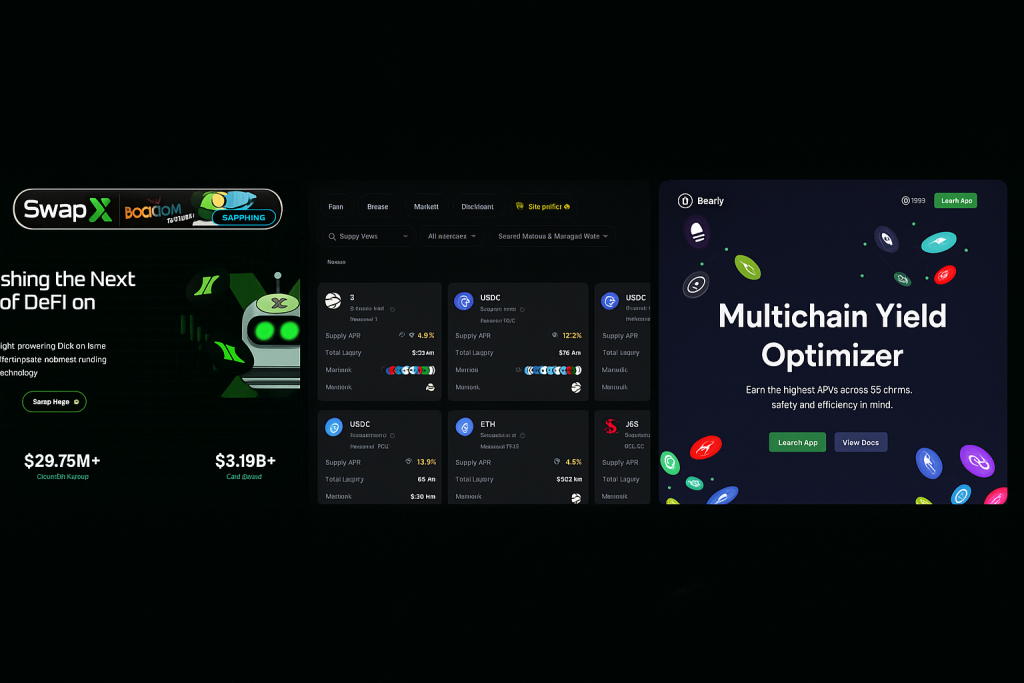
Here are three reliable DeFi platforms featured in our video walkthrough where users earn stablecoin yield:
For deeper comparisons, read How to Earn 23.53% APR on Your Origin Sonic Points and Maximizing Yield with Metropolis DEX.
Yield farming stablecoins isn’t just for crypto whales, but it’s easy to see why they love it. One wallet had over $215,000 staked in a single Beefy vault, and another was farming with $90,000 in stablecoins. These aren’t one-off cases; many large wallets are stacking yield this way because it’s consistent, low-volatility income.
But here’s the truth: you don’t need to be a whale to benefit.
Even small deposits can grow into something substantial over time, thanks to the power of compounding. Whether you’re starting with €100 or €1,000, consistent reinvestment can steadily build a snowball effect. The real trick is time and consistency, not timing the market.
Everyone starts somewhere. Yield farming with stablecoins is one of the most beginner-friendly paths to grow passive income in DeFi, without the stress of wild price swings.
Want to see what your future could look like? Try our Crypto Compound Interest Calculator to visualize how much you could earn just by letting your capital work for you.
Even with stablecoins, yield farming isn’t risk-free:
Want more tips? Our Yield Farming Mistakes to Avoid article is essential reading.
If you’re yield farming stablecoins, your wallet setup matters. Check out our breakdown of the Best Wallets for Yield Farming Crypto to get started with secure, efficient tools.
With traditional EU bank rates hovering around 2.38%, stablecoin yield farming, especially through audited, trusted protocols, can offer 3x to 5x those returns with considerably less volatility than farming other tokens.
Want to know how much can you make yield farming crypto overall? Check out this deep dive: How Much Can You Make Yield Farming Crypto?
Join the Crypto Huntzman Membership to access:
For more guides, head to our Crypto Huntzman Blog or Home Page.
Stay smart. Stay stable. And keep farming.

Most investors believe you can only make serious money in crypto during a raging bull market. While the explosive gains are undeniable, the savviest investors know that wealth isn't just made in the bull run—it's built in the bear. The key is understanding how to...

In the world of decentralized finance (DeFi), simply buying and holding tokens is just scratching the surface. Your capital could be doing so much more. What if you could grow your long-term bags, compound your positions, and acquire valuable DEX tokens without...

Finding hidden yield farming opportunities is not about chasing the biggest APR on the screen. It is about building a simple research routine that helps you spot reliable pools early, avoid common traps, and compound your rewards. If you are just learning how to yield...